
On Thursday, Federal Reserve Chair Jerome H. Powell announced that the central bank would no longer treat inflation as a primary threat to economic growth, stability and employment and would allow for more inflation in the years ahead before acting to tame it.

With the Republican-led Senate only just now unveiling its first draft of a next stimulus package and passage of a final bill dependent on weeks of arduous negotiations between Congress and the White House, the already-tenuous economic recovery just became more tenuous.

And yet, as bad as things are economically, it remains an open question why things aren’t worse. The answer is simple, and challenging: we may all be in this together as humans facing a virus but we are not equally in this together in bearing the economic toll.

Ninety days into the Covid-19 pandemic and shutdown, American leaders now have to confront an unsettling truth: Bringing an entire economy to a halt so fast, and so widely, isn’t a decision they can just reverse.
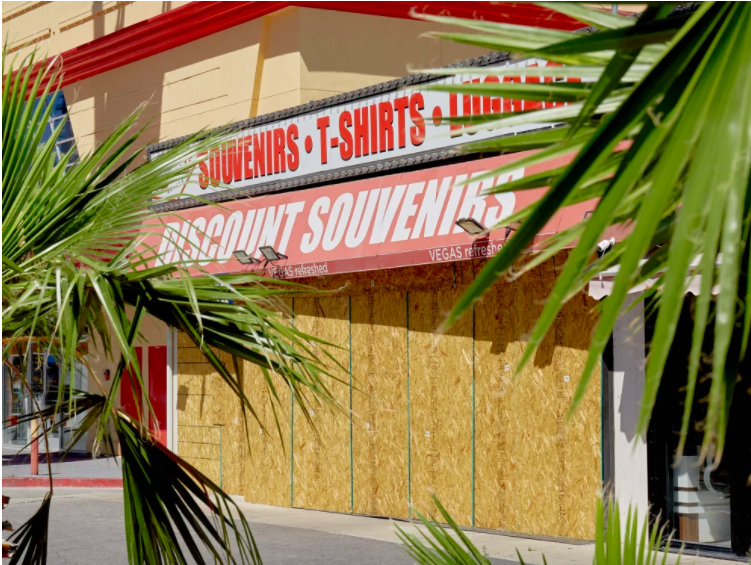
The primary reason for this massive surge in unemployment is of course the pandemic and the economic shutdowns to contain it. But government policy is also to blame.

What is going on? How can it be that stocks are soaring when the economy is crashing?

The Fed understood even before Congress that the health-crisis of the pandemic and the subsequent economic crisis caused by the shelter-in-place orders and shuttering of businesses, travel and events would easily morph into a financial crisis that could be magnitudes greater than what happened in 2008-2009.

It would be nice to be able to say when this will settle down, but as the old market cliché goes, no one rings a bell when markets hit a bottom.

It was the worst week for stocks since the financial crisis in October of 2008. It may get worse still.

Having hundreds of billions of dollars of Chinese investment in the United States was a powerful source of influence that is dwindling rapidly and is in fact shrinking more quickly than bilateral trade. Tariffs can be imposed or lifted almost at the whim of a presidential tweet, but creating a welcoming climate for inward investment takes longer to build.

The ambition is grand: “Reinvent money. Transform the global economy. So people everywhere can live better lives.” So said Facebook last month in unveiling Libra, its new digital payment service. The company heralded it as “a simple global currency and financial infrastructure that empowers billions of people.” If fully launched, Libra would allow Facebook users to buy and sell goods and services around the world and across borders using a digital cryptocurrency…
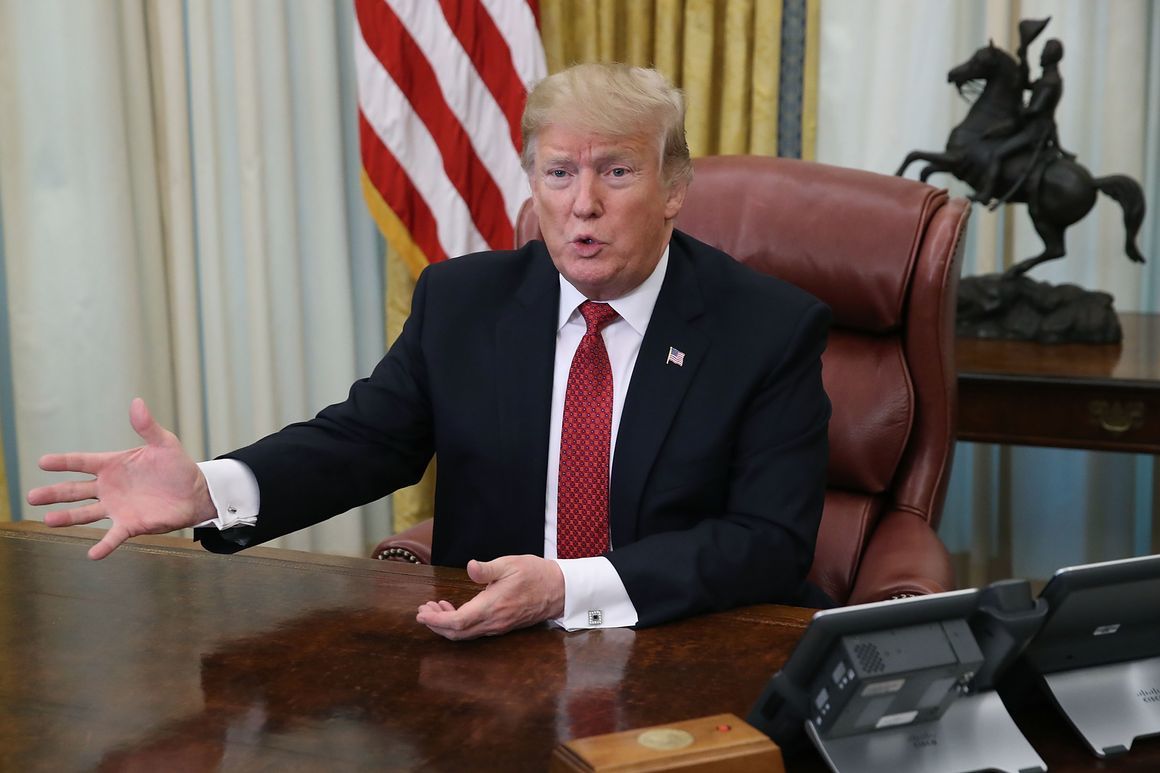
The yearlong China-U.S. trade war now appears to be in its final stages. Tariffs will be lifted, Beijing will promise to buy more American goods and take a harder stance on technology transfers and industrial espionage, and Trump will declare victory — but it will be Pyrrhic, at best.

The brief, contentious engagement of Amazon and New York City ended abruptly this week, with Amazon deciding that its choice of New York as a site for a new headquarters was not right after all, and that what the company had wanted wasn’t in the cards.

The unveiling of a Green New Deal last week provoked a mix of enthusiasm and derision. For each voice embracing the radical vision to decarbonize the American economy within a decade, there was another voice decrying the plan as economically unrealistic, technologically impossible, and politically untenable.

The government shutdown dominated the news these past weeks, but far more consequential were proposals floated by newly minted presidential candidate Elizabeth Warren and freshman representative Alexandria Ocasio-Cortez to significantly raise taxes on the very rich.

Zachary thinks that the markets’ focus on Alexandria Ocasio-Cortez is unnecessary: “She’s a junior representative on a committee of a House that can’t pass any laws because the Senate’s controlled by Republicans.”

The president’s proposed reallocation of federal spending to build his wall is hardly an existential crisis for American democracy.

Relations between the United States and China, which had been slowly deteriorating for several years, have taken a decisive turn for the worse. With all indications pointing to things getting substantially more strained before they get better, talk of a new Cold War has become common. And if that happens, it will be because the United States.

Though Donald Trump defends his deployment of tariffs as a radical shake-up of world trade, he is using a dusty playbook. While the president certainly has the legal authority to impose duties, the statutes on which his administration relies are based an economic order that no longer exists.

“Dow plunges 391 points as fear grips markets.” A headline from two days ago? Try two years ago. Jan. 15, 2016, to be precise. The last time stocks exhibited the sharp sell-off — followed by an equally sharp run-up — that characterized the past few days. Monday, the Dow Jones industrial average was down about 1,600 points, the largest intraday point-drop ever,
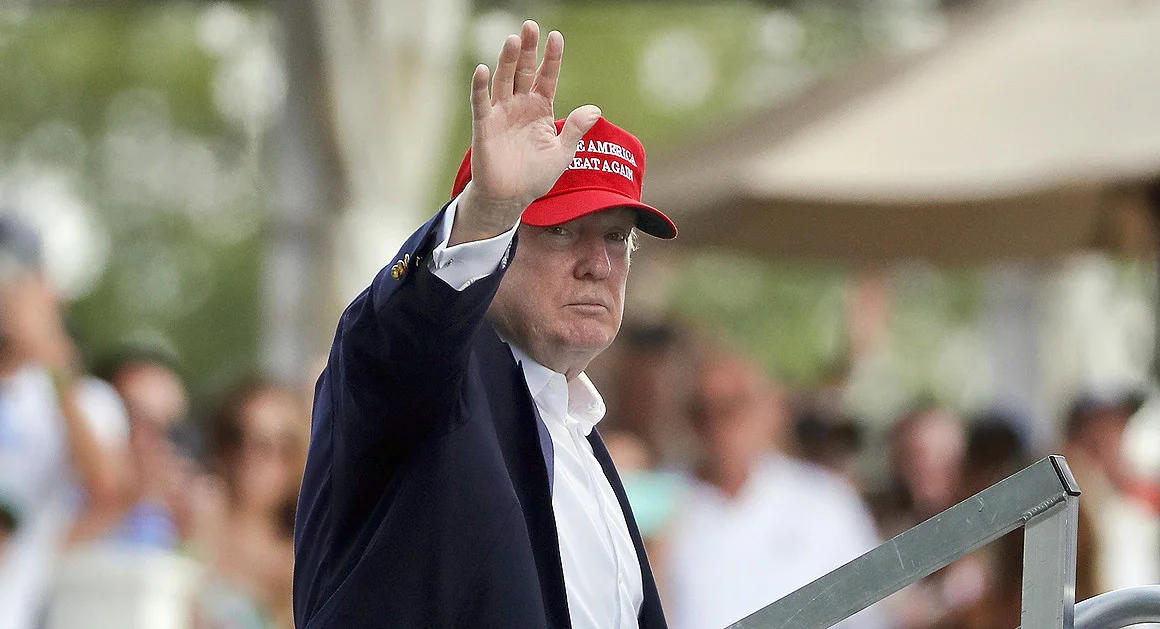
Judging from their flurry of op-eds and tweets denouncing, dismissing or analyzing President Trump’s new National Security Strategy, America’s foreign policy mandarins would have you believe that the document is either dangerous, irrelevant or both. It is neither.

The “gig economy” is hardly new, but there’s still a yawning gap between the attention it receives and our understanding of how it is—or isn’t—altering the nature of work in America. It may be a Bay Area joke that everyone is either working in the valley or for Task Rabbit, and Uber may be the world’s most valuable startup,

Growth versus value. For many years, that was one of the central debates for investors, analysts, managers, and financial advisors. Growth and value stocks seemed to be the yin and yang of stock investing, with radically different characteristics that attracted investors with different temperaments.

In the endless swirl of noise and controversy emanating from Washington these days, it is easy to overlook a more mundane but significant challenge facing the US government: its institutions are getting old. With the exception of the Department of Homeland Security, most substantial agencies are at least decades old and many date back much longer.

During her speech to the National Association of Business Economics on Tuesday, Federal Reserve Chair Janet Yellen made a rather startling admission: The Fed may have “misspecified” its models for inflation and “misjudged” the strength of wages and the job market.

Risk. Mention the word, and many investment professionals pause. Traders, hedge funds, and a few quantitative firms and their algorithms may love risk. But these days, the preponderance of investors, advisors, strategists, and their clients—not to mention the individual investor

Zachary Karabell of Envestnet discusses Fed policy and the next move for stocks with Brian Sullivan.

Bitcoin has a total market capitalization of barely $45 billion, which is a pittance compared to hundreds of trillions in stocks, bonds, and other financial instruments worldwide. And yet advisors report that Bitcoin is among investors' most prevalent curiosities today.

Bitcoin: Fad or the future? The question has dogged the digital currency since its inception nearly a decade ago, and recent developments raise it anew. Last week, a new variant of bitcoin emerged via a “fork” in its underlying code, threatening to confuse and divide the still-small world of bitcoin adherents.
Tweets from @ZacharyKarabell

So it happened. After months of speculation about whether and when Gary Cohn might resign, he finally did. The former prince of Goldman Sachs—and the unofficial leader of the free-traders, internationalists and Wall Streeters at the White House